
Silent Films Re-imagined
The eloquence of narrative without words:
when a film can't just tell you what a character feels and has to lean on affect, gesture, an occasional title card, and music, the score stops being wallpaper and starts being one of the storytelling elements.
"The Great Train Robbery"
original score by Mikael Darmanie
performed by W4RP Trio
The Great Train Robbery: Mikael Darmanie’s exuberant, jaw dropping score performed by W4RP Trio
MoVE Premieres
Violin Maker of Cremona
original score by Justine Leichtling
performed by MoVE (Modern Violin Ensemble)
Violin Maker of Cremonaoriginal score by Justine Leichtling
Violin Maker of Cremonaoriginal score by Justine Leichtling
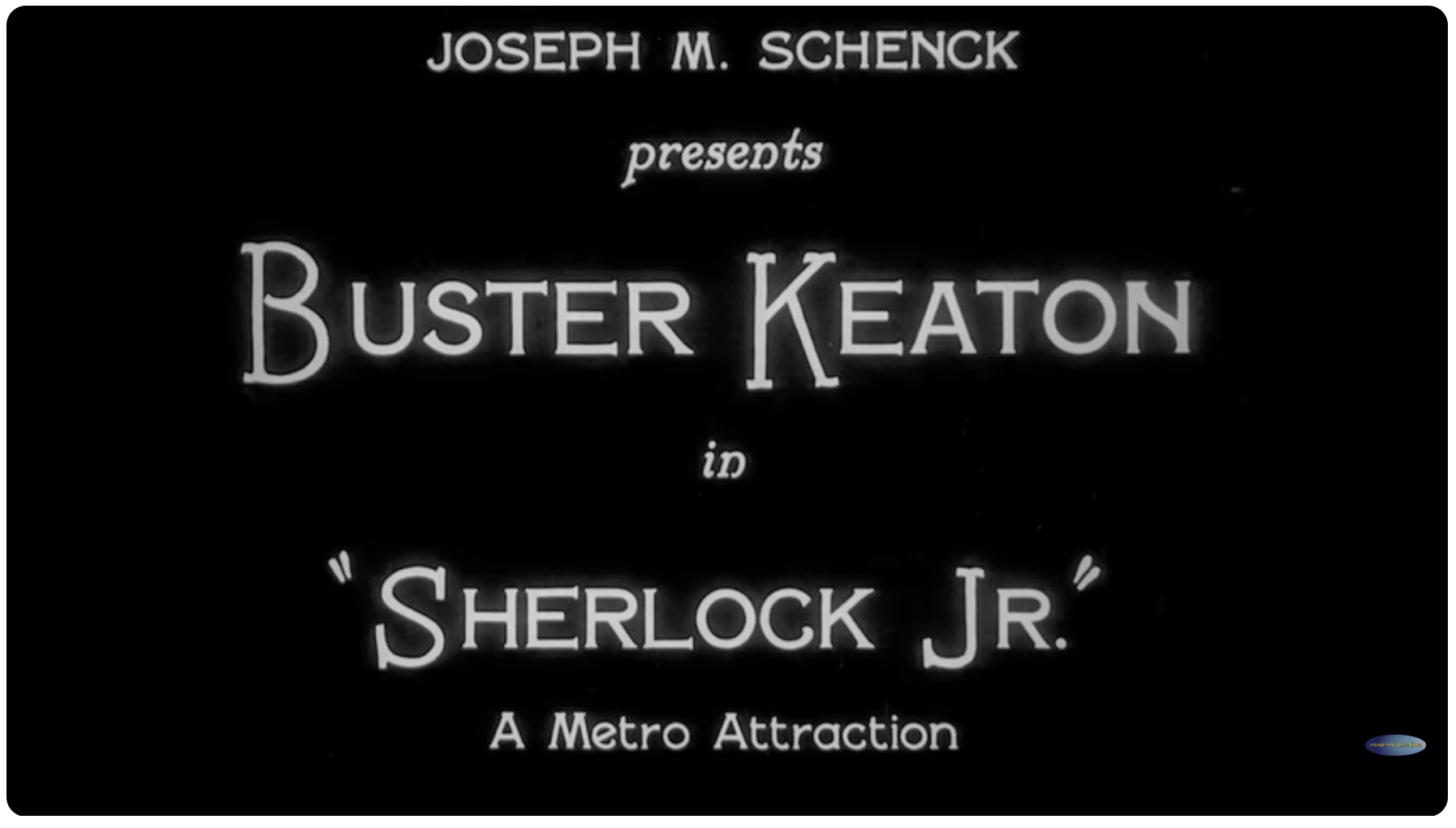
Live from Spoleto 2025: Buster Keaton’s “Sherlock Jr”
Original score by Stephen Prutsman
Stephen Prutsman on writing silent film scores:
I fell for silent films as a kid — my reward for practicing Beethoven was getting to run scratchy Super 8 reels of Chaplin, the Keystone Cops, and Laurel and Hardy through our projector. That obsession went quiet for a couple of decades, then came roaring back around the turn of this century, when I started writing through-composed scores — improvisation kept on a very short leash, occasionally with a toy piano or a bell or a whistle smuggled into the ensemble — for the St. Lawrence String Quartet and myself at the piano. The first was for Buster Keaton's Sherlock Jr., and I've since scored close to twenty silent films.
What keeps pulling me back is the eloquence of narrative without words, and I'm in good, yet intimidating company — Saint-Saëns got there first, scoring L'Assassinat du Duc de Guise in 1908, and more recently, Richard Einhorn wrote his gorgeous Voices of Light for The Passion of Joan of Arc.
I'm just the one still doing it with kazoos.